Combined Ratio Insurance Formula / What To Learn From A Carrier S Combined Ratio - Insurance companies also use combined ratios to determine the profitability of operations.
Combined Ratio Insurance Formula / What To Learn From A Carrier S Combined Ratio - Insurance companies also use combined ratios to determine the profitability of operations.. Hedvig is regulated by the swedish financial supervisory authority as an insurance. Insurer for hedvig's insurances is hdi global specialty se, org. It can be used to determine whether the current market. In the insurance industry, this is referred to as a. Example of combined ratio in insurance.
However, the combined ratio is essential when it comes to gauging an insurer's discipline in both operating and underwriting, so insurance investors should. It is called the combined ratio, and it can reveal all to us. P&c insurance combined ratio measures an insurer's overall profitability by combining both loss ratio and expense ratio. The formula is combined ratio = incurred losses plus expenses divided by earned premium. A loss ratio or claims ratio, is simply the.
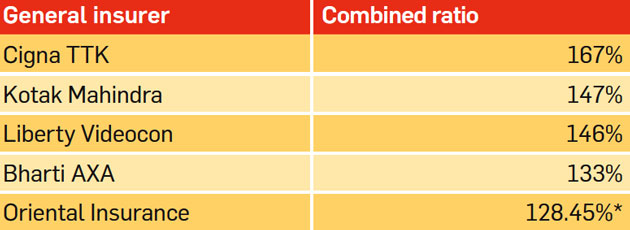
6 Ratios To Know When Buying Insurance The Economic Times from img.etimg.com And if the accident / insurance event occurs, the insurance company will bear all or all of the costs in full or in part. The combined ratio (cr) in insurance is an important measure that is used to assess the profitability of property & casualty (p&c) insurance companies. Used in both insurance and. The combined ratio and its components measure the underwriting profitability of insurance companies. Learn vocabulary, terms and more with flashcards, games and other study tools. Let us assume abz ltd. When applied to a company's overall results, the combined ratio is also referred to as the composite, or statutory, ratio. The meaning behind combined ratios.
Learn what is combined ratio, get it simplified and find out what the best companies to work with and how to get the best deal when purchasing.
Net combined operating ratio is the key ratio which all managers in non life insurance track closely. Net premium written gross premium written. Expense ratio combined ratio investment yield. The combined ratio (cr) in insurance is an important measure that is used to assess the profitability of property & casualty (p&c) insurance companies. The most important indicator of profitability in the insurance business is known as the combined ratio, which is the cost of claims plus the other cost of claims, divided by the total collected premiums. We know that your focus is to minimize the risk of paying out costly policies. The formula is combined ratio = incurred losses plus expenses divided by earned premium. With more drivers on the road today, more expensive cars purchased and higher verdicts derived from negligent lawsuits, you're forced to ratchet up insurance premiums to compensate. The meaning behind combined ratios. A ratio below 100 percent means that the insurance company is making profit while a ratio above 100% means that the insurer is paying more money in total expenses than the premiums it receives. Let us assume abz ltd. Claim settlement ratio (csr) indicates how many claims a. The company's operating expenses amount to rs.50 lakh for the year.
The combined ratio insurance formula is only one of two methods used to gauge the profitability of an agency. It is called the combined ratio, and it can reveal all to us. The combined ratio is the sum of the underwriting loss ratio and the expense ratio. The figure you get will be expressed as a percentage and the goal, of the combined ratio, which is generally used in the insurance sector (especially in property and casualty sectors), is the measure of. It can be used to determine whether the current market.
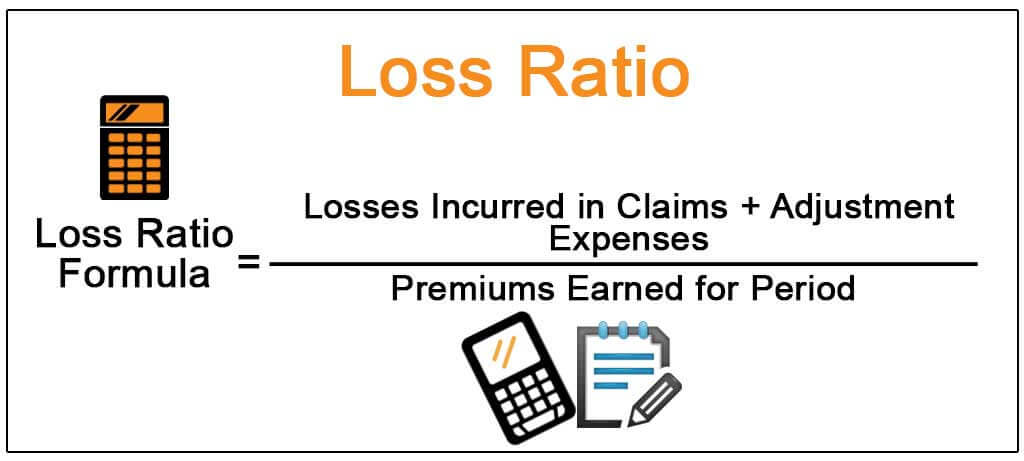
Loss Ratio Formula Calculation What Is Loss Ratio Insurance from cdn.wallstreetmojo.com Expense ratio combined ratio investment yield. Understanding this insurance metric is important for evaluating insurers and their financial health. The most important indicator of profitability in the insurance business is known as the combined ratio, which is the cost of claims plus the other cost of claims, divided by the total collected premiums. It is called the combined ratio, and it can reveal all to us. A combined ratio of less than 100 percent indicates underwriting profitability, while anything over 100 hi adam, can we consider combined ratio formula in arriving the p&l indications in travel industry. Learn vocabulary, terms and more with flashcards, games and other study tools. Learn what is combined ratio, get it simplified and find out what the best companies to work with and how to get the best deal when purchasing. Here we discuss the formula for calculation of combined ratio in insurance.
Policy holder share ratio is not worth mentioning for the pc insurance industry overall constituting less than one percentage point in recent years.
The formula helps to measure the performance of insurance companies. A loss ratio or claims ratio, is simply the. The combined ratio (cr) in insurance is an important measure that is used to assess the profitability of property & casualty (p&c) insurance companies. When the claims loss ratio is too high, either the premiums must rise or certain insured groups must be denied coverage. Expenses refer to loss adjustment expenses and underwriting costs. Hedvig is regulated by the swedish financial supervisory authority as an insurance. The factors impacting combined ratio are simple. Computing the combined ratio formula includes dividing the total of all incurred losses and expenses of the company by the total revenue accrued from premiums. The combined ratio and its components measure the underwriting profitability of insurance companies. A ratio below 100 percent means that the insurance company is making profit while a ratio above 100% means that the insurer is paying more money in total expenses than the premiums it receives. Combined ratio this indicates a general insurance company's total outflow in terms of operating expenses, commissions paid, and incurred claims 6. How do we determine if the insurance companies that we invest in are making money? With more drivers on the road today, more expensive cars purchased and higher verdicts derived from negligent lawsuits, you're forced to ratchet up insurance premiums to compensate.
Learn vocabulary, terms and more with flashcards, games and other study tools. However, the combined ratio is essential when it comes to gauging an insurer's discipline in both operating and underwriting, so insurance investors should. Analysts combine claims and operational expenses and calculate the percentage of underwriting premiums. It can be used to determine whether the current market. In the insurance industry, this is referred to as a.
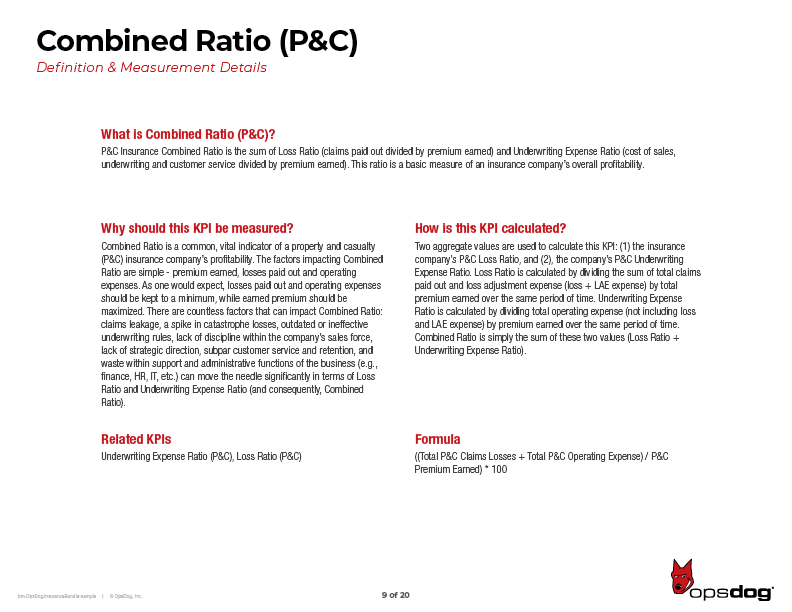
Insurance Industry Benchmarking Report Pdf Opsdog from opsdog.com Combined ratio is calculated using the formula given below. The combined ratio looks at both losses and expenses. The company's overall underwriting expense is calculated to this article has been a guide to combined ratio and its definition. When the claims loss ratio is too high, either the premiums must rise or certain insured groups must be denied coverage. But ultimately, the combined ratio is the most critical of these ratios, because it is one of the truest measures of an insurer's profitability. The figure you get will be expressed as a percentage and the goal, of the combined ratio, which is generally used in the insurance sector (especially in property and casualty sectors), is the measure of. Net premium written gross premium written. Claim settlement ratio (csr) indicates how many claims a.
But ultimately, the combined ratio is the most critical of these ratios, because it is one of the truest measures of an insurer's profitability.
Alternatively, you calculate it by. Combined ratio is a common, vital indicator of a property and casualty (p&c) insurance company's profitability. A combined ratio of more than 100% means that an insurance company had more losses plus expenses than the combined ratio formula comprises two related ratios that you can now derive quite easily. The combined ratio (cr) in insurance is an important measure that is used to assess the profitability of property & casualty (p&c) insurance companies. Combined ratio is a measure of performance used by underwriters/insurance companies. Expense ratio combined ratio investment yield. Hedvig is regulated by the swedish financial supervisory authority as an insurance. When applied to a company's overall results, the combined ratio is also referred to as the composite, or statutory, ratio. Combined ratio this indicates a general insurance company's total outflow in terms of operating expenses, commissions paid, and incurred claims 6. Usually, underwriting expenses include all expenses connected to the underwriting and include insurance. It can be used to determine whether the current market. The combined ratio and its components measure the underwriting profitability of insurance companies. In a word, yes, there is.


Comments
Post a Comment